


- Home
- Blog
- Industry Blogs
- Why Folding Container Design Is Practical for Emergency Housing Projects
Why Folding Container Design Is Practical for Emergency Housing Projects
-
 author
- June 4, 2026
Introduction
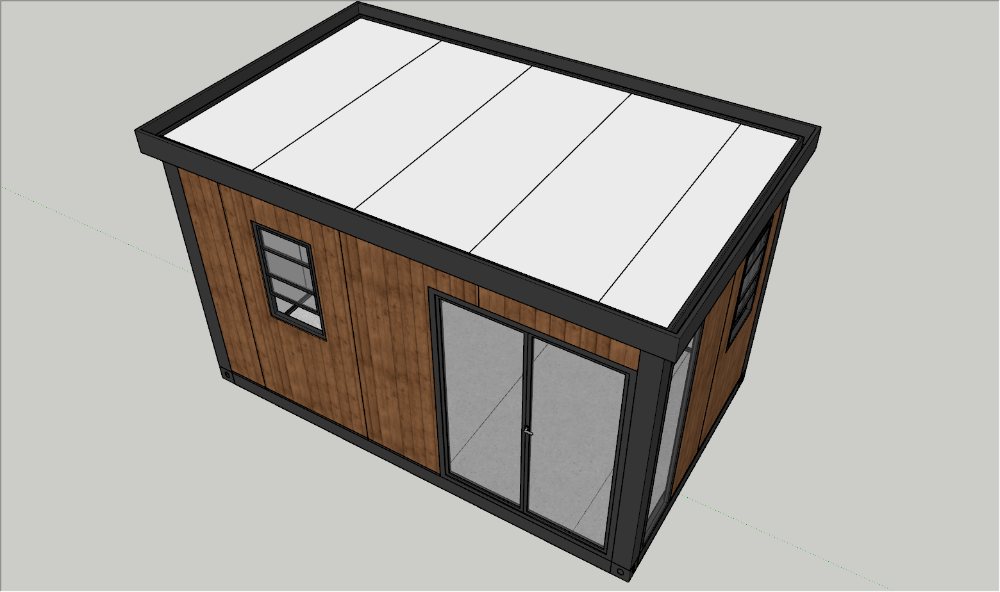
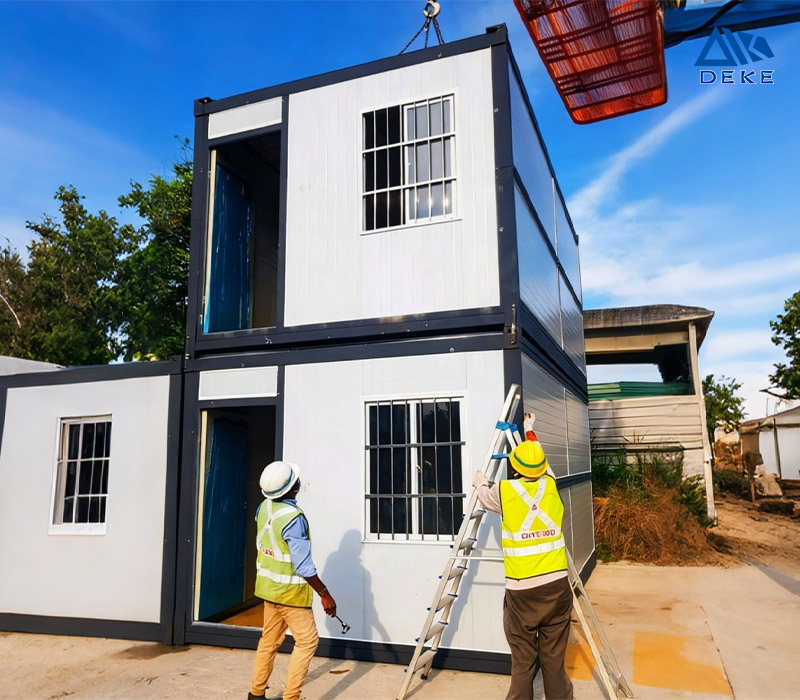
Folding container design supports fast setup along with easy movement and a low-cost short-term living space. Deke Folding Activity House units suit emergency shelters, work sites, and disaster response needs. Natural disasters or sudden housing gaps often leave standard building methods behind. Teams can ship the units, assemble them on location, and allow people to move in within hours. This approach gives groups that require quick solutions a reliable option.
Key Advantages of Folding Container Design for Emergency Housing
Rapid Deployment and Assembly
A folding container can be opened and prepared for use in less than thirty minutes. Factory work already places the walls, floor, wiring, and door frames in position before the unit leaves the plant. Crews do not need special skills or welding tools at the site. They also skip any concrete work or foundation curing. In a disaster area with one hundred families without homes, a small group can finish an entire camp in one day. This speed explains why many container home contractors now keep folding units ready for fast-response jobs.
Efficient Transportation and Storage
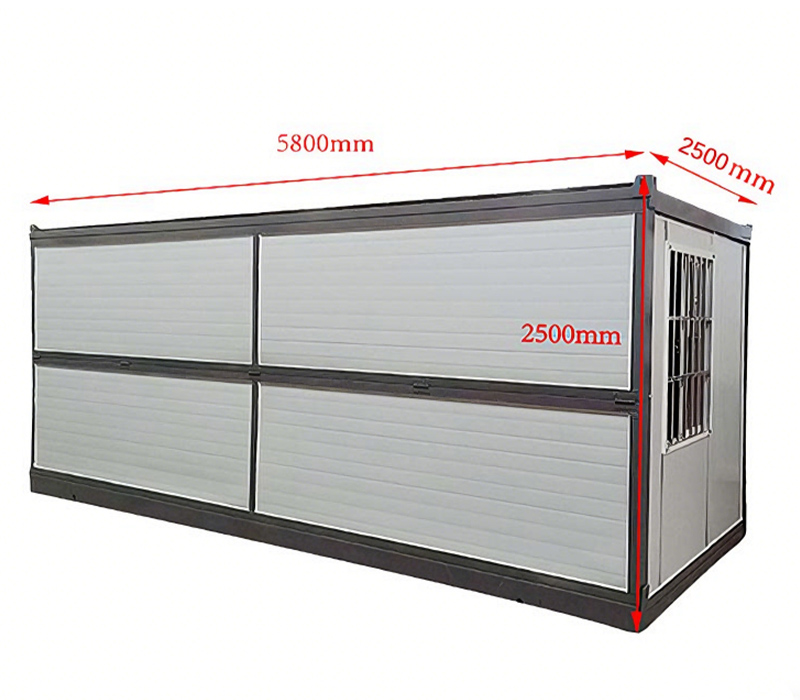
When folded, each unit takes up about one-third of its full size. One forty-foot high-cube shipping container can carry eight to twelve folded units. Standard prefab rooms usually need their own full container for each piece. The folding style cuts shipping costs by seventy to eighty percent per unit. Aid groups working across borders can therefore house more people without raising their total budget.
Reusability and Cost-Effectiveness
A folding container in good condition can serve eight to fifteen different projects. After one emergency ends, workers fold the units again and move them to the next site. The first use covers most of the purchase price. Later uses add only transport and light upkeep. Government offices and NGOs with tight funds find this pattern the clearest choice. Many of the best container home builders now offer their folding models to disaster-preparedness teams.
Structural and Material Benefits
High Safety Standards
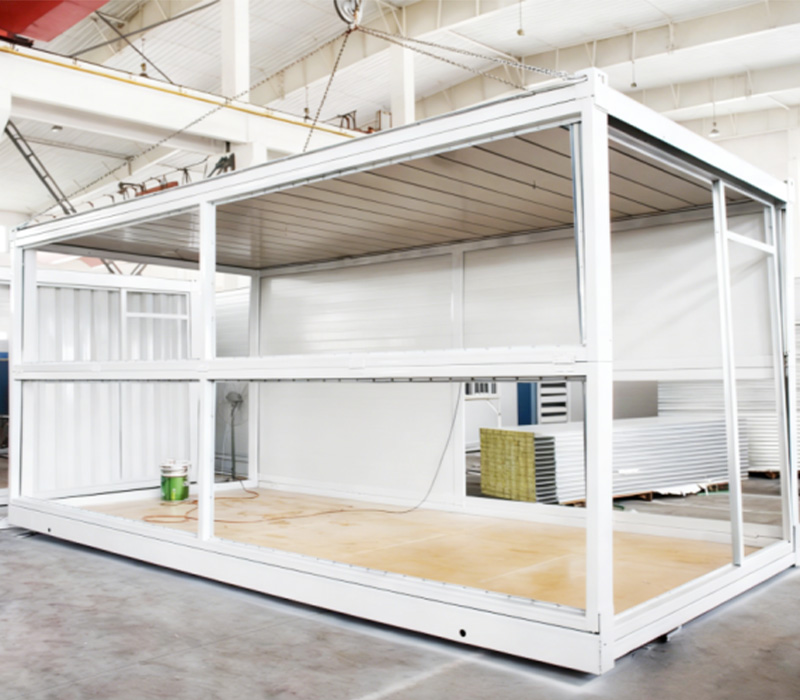
A foldable container house from a qualified X folding container house company keeps strength in mind. The main frame uses Q235 galvanized square and rectangular tubing. Welds hold the parts together, and the surface receives sandblasting plus epoxy zinc-rich primer and topcoat to fight rust. The finished units reach seismic Level 8, wind resistance of 0.60 kN/m² (equal to a Level 12 typhoon), Class A fire rating, and waterproof performance that holds at 16 mm/min rainfall.
Thermal Insulation and Comfort
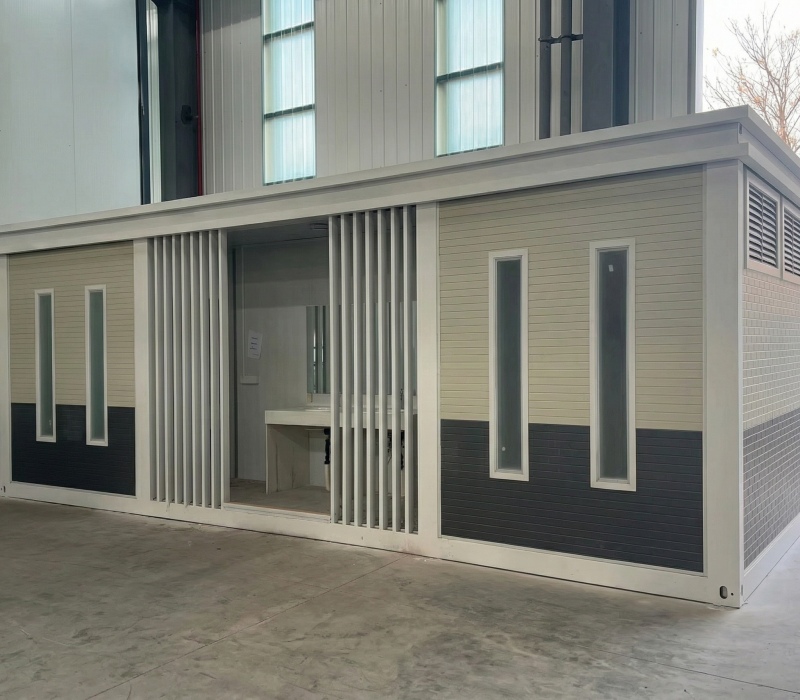
An efficient container home must give more than basic cover. It needs to support health and steady morale. Folding container design reaches this goal with layered walls: an outer 0.30 mm color steel sheet, a 50 to 65 mm core of EPS or rock wool, and a smooth inner surface. Thermal conductivity sits at 0.048 W/m·k, while sound reduction reaches ≥30 dB. These numbers match or beat many ordinary apartment walls. Residents report steady comfort through every season.
Flexible Modular Design
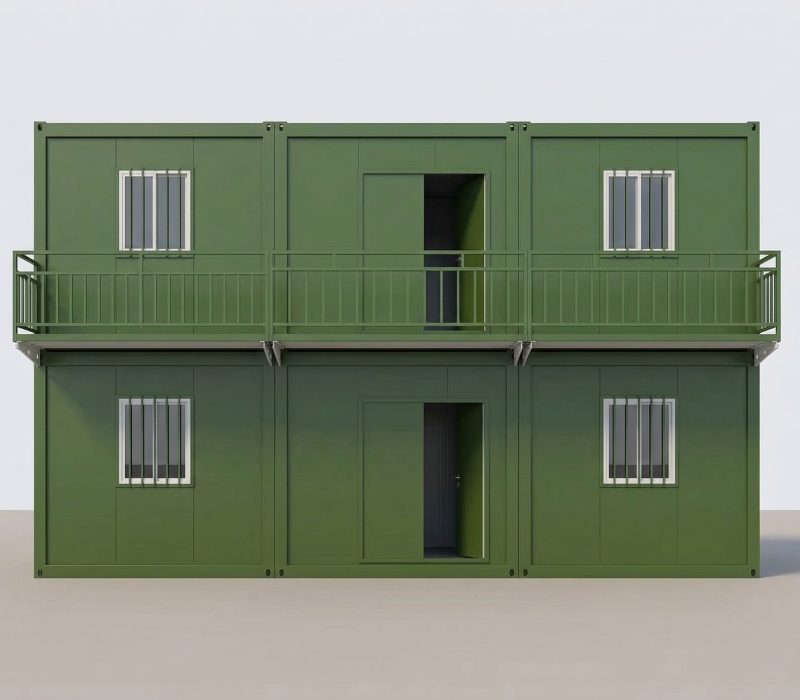
Single folding containers work alone. A greater range appears when units join together. Teams can link several units side by side for bigger rooms, stack them for two-story buildings, or place them around open yards for shared areas. Enclosed walkways can also connect the pieces for weather protection. A project in Kashgar, Xinjiang, showed this range during the pandemic period. Isolation rooms needed quick layout changes as case counts shifted. The modular layout allowed on-site changes without extra machines.
Practical Applications in Emergency Scenarios
Disaster Relief Housing
Earthquakes, floods, and typhoons can leave thousands without cover overnight. Folding container design offers a direct answer. Within seventy-two hours of a disaster call, trucks deliver the units. Teams unfold and set each one, then connect water and power through built-in ports. A full camp becomes ready for use. Seven hundred folding houses went to Mexican and Chilean construction camp projects, and the same shipping and assembly steps work for relief work as well.
Temporary Medical and Command Facilities
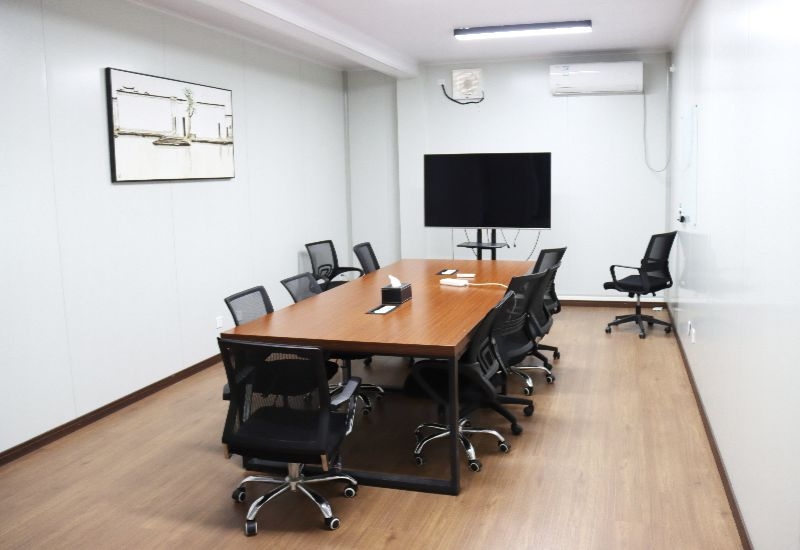
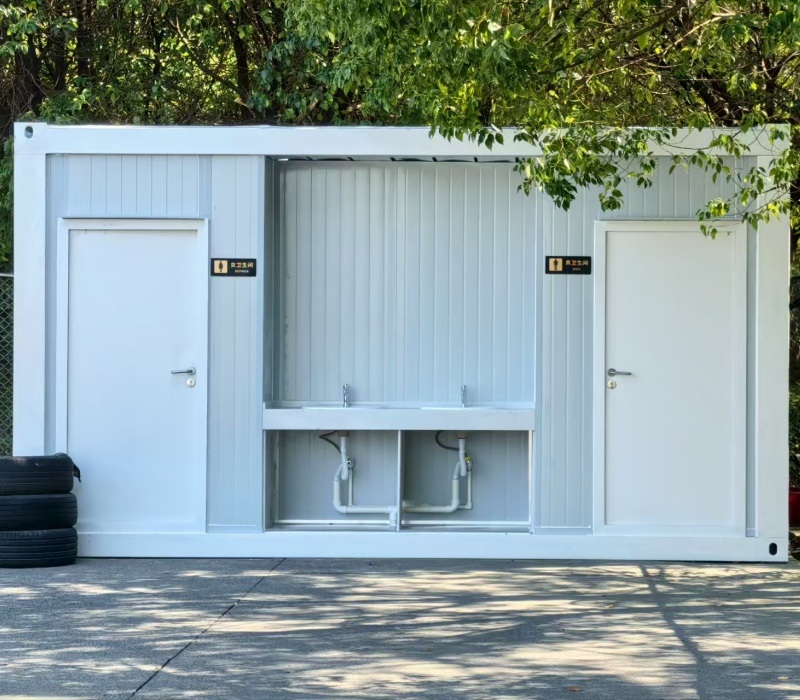
Emergency housing covers more than living space. Folding containers can become field clinics with exam rooms, testing centers, command posts with communications gear, and isolation rooms that include negative pressure. Each unit can hold its own bathroom, water treatment, emergency lights, and airflow system. This self-contained layout eases pressure on local services that may already be damaged.
Construction and Remote Site Housing
Remote infrastructure jobs face the same limits as disaster zones: no nearby homes, tight transport, and short schedules. Folding container design meets all three needs. Projects in Singapore and Mauritius used bulk shipments of folding houses for worker lodging near the job. Workers stay close, which lowers travel costs. Camps can move when the work site shifts. Units also remain available for later jobs once the current one ends. This is why an X folding container house company keeps improving folding models for industrial and distant sites.
Conclusion
Folding container design supplies the mix that emergency housing work needs. Assembly takes minutes. Transport savings stretch relief funds further. Structural safety meets Class A fire and Level 8 seismic marks. Reuse across several deployments keeps long-term costs down. Modular layout lets the same units serve housing, medical, or command roles. Disaster relief groups, government offices, and project managers therefore treat folding container design as the clearest answer available now.
FAQ
Q: How quickly can a folding container be deployed for emergency housing on-site?
A: Units from a reliable X folding container house company reach full open position and become ready for people in thirty to sixty minutes. Four workers can finish the steps with ordinary hand tools. Smaller models need no crane, yet larger ones can use hydraulic or electric assist for the expansion.
Q: What is the minimum order quantity for folding container houses?
A: One set forms the lowest order. Single units work for smaller emergency calls. When larger numbers ship together, a 40HC container fits eight to twelve folded units. This arrangement lowers shipping cost per unit by about seventy percent versus non-folding choices.
Q: Do folding containers meet safety standards for extreme weather?
A: Yes. An efficient container home built with a Q235 galvanized steel frame and Class A fireproof rock wool boards reaches seismic Level 8 and wind resistance up to Level 12 typhoon strength. Many of the best container home builders supply third-party test reports from places such as Tsinghua University to confirm these ratings.
Q: Can folding containers be customized for specific project needs?
A: Innovative container builders accept custom work from client drawings. Choices cover door and window placement, interior surfaces, electrical layouts, bathroom fittings, and outside color. Medical uses can include ventilation cleaning systems and built-in water treatment.
Q: What after-sales support does Deke Folding Activity House provide?
A: Deke Folding Activity House supplies install videos, remote guidance, and on-site engineer visits when required. Overseas jobs receive tailored transport plans and steady freight partners for reliable arrival. The company works with forty to fifty repeat buyers who have ordered at least twice.
Recent Posts
-
 A Detachable Office Layout That Fits the Working DayOctober 14, 2026
 -
Can a Folding Container House Be Used as an Office?October 7, 2026
-
How Can a Detachable Home Support Flexible Living?September 30, 2026
RELATED PRODUCTS
Production and customization of prefabricated houses and container houses
Contact Us
Get personalized prefabricated houses and container houses advice.